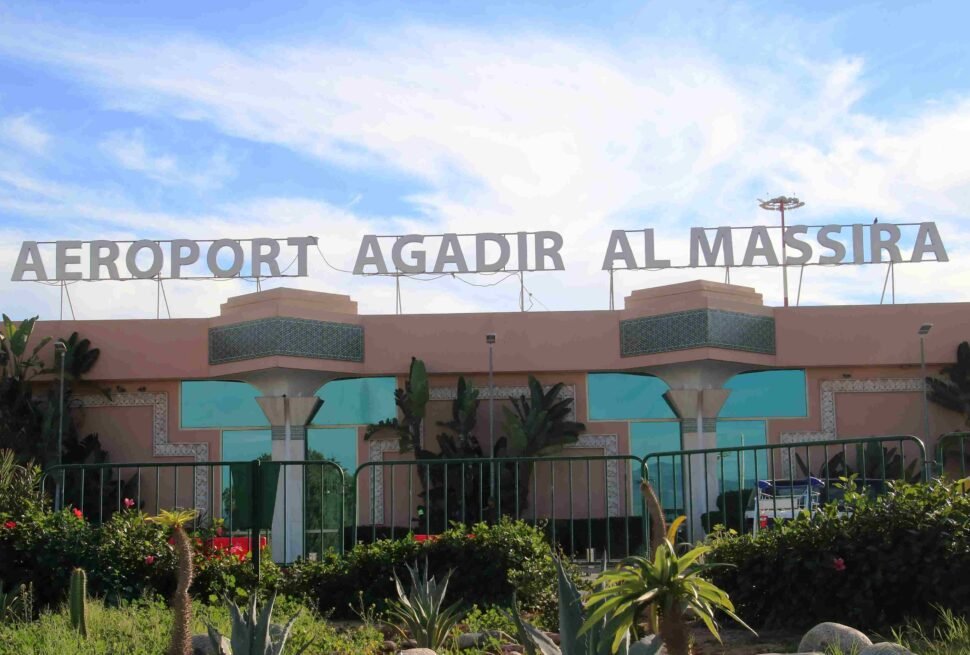
Agadir is one of the sunniest places in Morocco. Protected by the Atlas and Anti-Atlas mountains and cooled by the Atlantic, it has mild winters and summers that are warm but rarely as hot as Marrakech or the desert. That makes it a year-round destination, but the “best” time depends on what you want: beach days, surfing, hiking, or a quiet escape from the winter cold in Europe.
This guide explains what each season is really like, so you can choose the right time for your trip.
Agadir weather at a glance
- Winter (December–February): mild, sunny days around 20°C, cool evenings and nights. Quieter beaches, great for sightseeing and day trips.
- Spring (March–May): warm, bright and pleasant. One of the best periods for excursions and hiking, with green valleys after the winter rain.
- Summer (June–August): warm and dry, usually in the high 20s°C on the coast. Morning sea mist is common. The busiest season, especially in August.
- Autumn (September–November): still warm, the sea is at its warmest, and crowds thin out after the summer holidays.
Winter: December, January and February
Winter is when many Europeans come to Agadir to escape the cold. Daytime temperatures are usually comfortable for walking around in a T-shirt, and sunny days are the norm. Nights and early mornings can be chilly, so bring a jumper or light jacket, especially if you plan a trip to the mountains or the desert, where temperatures drop sharply after sunset.
The Atlantic is cool in winter, so swimming is refreshing rather than warm. On the other hand, this is the prime surf season: winter swells bring consistent waves to Taghazout and the surrounding point breaks.
Good for: surfing, city sightseeing, day trips to Taroudant, Tafraoute, Essaouira and Marrakech, and anyone who prefers calm beaches. February is also when almond trees blossom around Tafraoute in the Anti-Atlas.
Spring: March, April and May
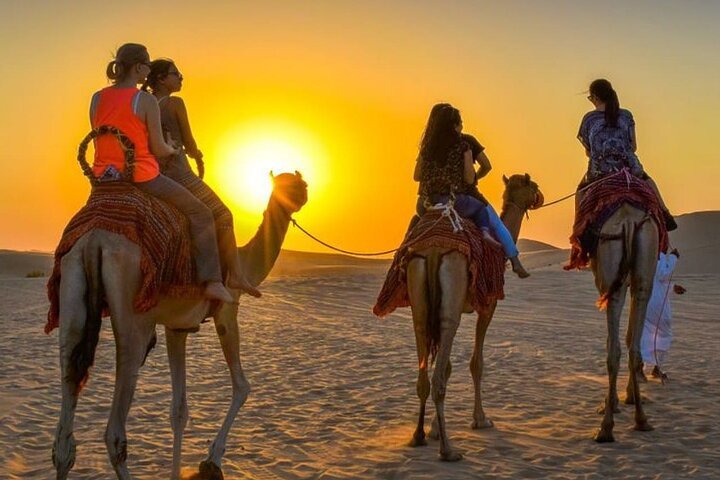
Spring is arguably the best all-round season. The weather is warm without being hot, the countryside is greener after the winter rains, and Paradise Valley usually has more water in its rock pools. It is an excellent time for outdoor activities such as quad biking, buggy safaris, camel rides and hiking.
Spring school holidays in Europe can make some weeks busier, so book popular tours a few days in advance.
Good for: excursions, hiking, photography, and exploring the Souss-Massa National Park, where migrating birds pass through.
Summer: June, July and August
Summer in Agadir is warm and sunny, and the long beach is at its liveliest. Thanks to the ocean, the coast stays much cooler than inland Morocco. You may notice a layer of morning cloud or sea mist that usually burns off by late morning.
This is the main holiday season for Moroccan families as well as international visitors, so hotels, beaches and the promenade are busy, especially in August. If you plan inland trips, such as Marrakech or Taroudant, expect much higher temperatures there, and choose an air-conditioned vehicle and an early start.
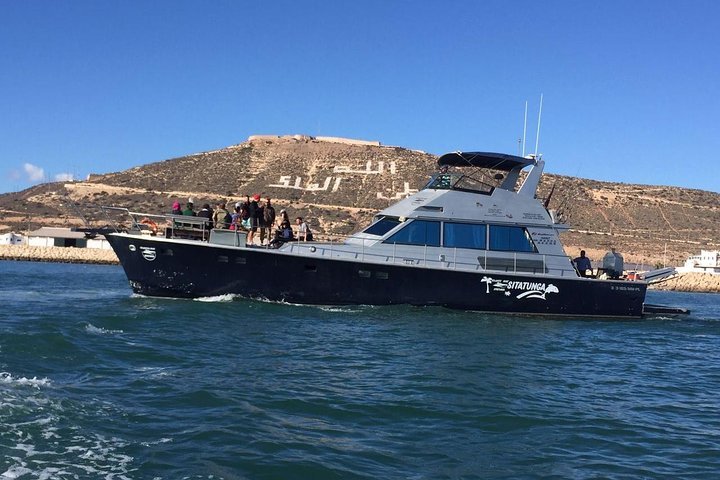
Good for: beach holidays, boat trips, water sports and family holidays.
Autumn: September, October and November
Autumn is a favourite for many returning visitors. The sea has warmed up over the summer, the crowds go home, and the weather stays reliably pleasant. October in particular often offers warm, settled days that are perfect for both the beach and excursions.
From October the surf starts to pick up again, so it is also a good time for beginner and intermediate surfers.
Good for: swimming, relaxed beach holidays, surfing, and day trips without the summer heat.
Ramadan and public holidays
The dates of Ramadan move about 11 days earlier each year. During Ramadan, life in Agadir continues and tourist services stay open, but some local cafés and restaurants close during the day and opening hours change. Evenings become lively after sunset. It can be a fascinating time to visit, as long as you are respectful, for example by not eating or drinking in public in more traditional areas.
Moroccan national holidays and the two Eid celebrations can make hotels and roads busier, so it is worth checking the dates when you plan.
So, when should you go?
- For the beach and warm sea: June to October.
- For excursions and outdoor activities: March to May and September to November.
- For surfing: October to March.
- For winter sun and fewer crowds: November to February.
Whenever you come, the region has plenty to offer, from the camel rides on the dunes south of the city to day trips to Essaouira and Marrakech.
Practical tips for any season
- Wear sun cream all year: the sun is strong even when the air feels cool.
- Bring a light layer for evenings and for trips into the mountains.
- Drink plenty of water, especially on desert and inland excursions.
- Book popular tours a few days ahead during school holidays.
Not sure which tours suit the time of your visit? Contact us or message us on WhatsApp with your travel dates, and we will suggest the best options.