If you travel around Agadir, you will see argan trees everywhere: gnarled, thorny trees scattered across the hills, sometimes with goats balanced in their branches. These trees produce argan oil, one of Morocco’s most famous products, valued for cooking and for skin and hair care. Here is what you should know about it.
The argan tree
The argan tree (Argania spinosa) grows naturally almost only in south-west Morocco, in a region that stretches roughly from Essaouira to the Anti-Atlas around Agadir. It is extremely well adapted to dry conditions, with deep roots that help hold the soil and protect the land from desertification.
The argan forest is so important that UNESCO declared the area the Arganeraie Biosphere Reserve in 1998. In 2014, the knowledge and practices around argan were also recognised by UNESCO as part of the Intangible Cultural Heritage of Humanity, and the United Nations has declared 10 May the International Day of Argania.
How argan oil is made
Traditional production is long and labour-intensive, and is mostly done by women:
- Harvesting: the fruits are collected when they fall from the tree and are dried in the sun.
- Peeling: the dried pulp is removed to reveal a very hard nut.
- Cracking: each nut is cracked by hand between two stones to extract the small kernels inside. This is the slowest step.
- Roasting (for culinary oil only): kernels are lightly toasted, which gives a nutty taste.
- Pressing: traditionally the kernels were ground on a stone mill and kneaded by hand with water. Today, most cooperatives use mechanical presses, which are more hygienic and efficient.
It takes a large quantity of fruit to produce a single litre of oil, which explains its price.
Culinary or cosmetic?
- Culinary argan oil is made from roasted kernels. It is golden-brown, with a rich, nutty taste. It is used for dipping bread, drizzling on salads and couscous, and in amlou, a spread with almonds and honey.
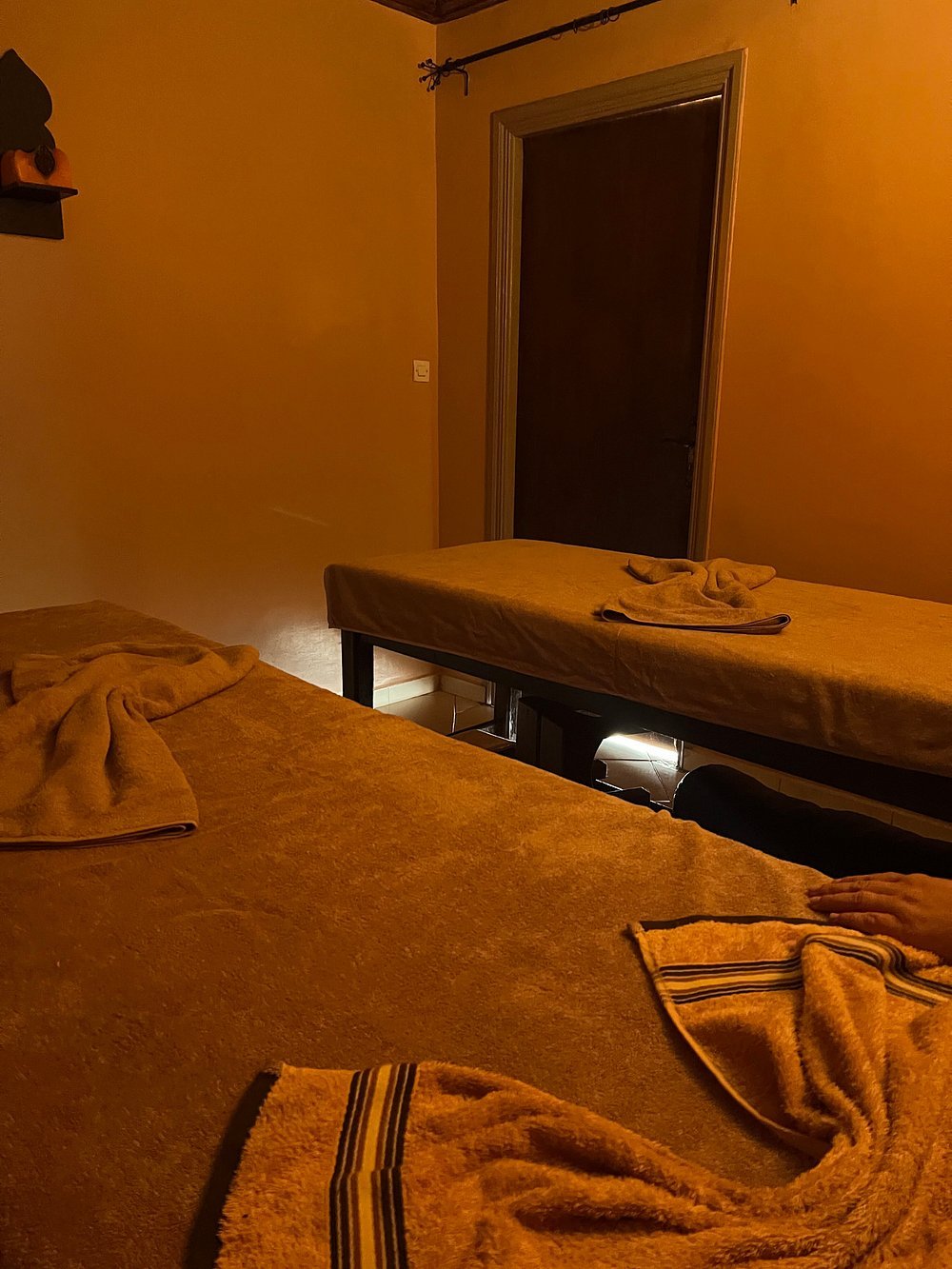
- Cosmetic argan oil is made from unroasted kernels. It is paler, with a light smell, and is used on skin, hair and nails. It is a key part of a traditional hammam and massage.
Do not cook with cosmetic oil, and do not put culinary oil on your face.
Women’s cooperatives
Many argan cooperatives are run by women from rural villages. They provide jobs and income in areas where opportunities are limited. On several of our day trips, for example to Essaouira and Paradise Valley, you can visit a cooperative, watch the process and taste the products.
How to buy genuine argan oil
- Buy from a cooperative or reputable shop rather than roadside stalls.
- Check the label: look for “100% pure argan oil” and the producer’s details. Avoid bottles that list other oils.
- Smell it: cosmetic oil has a light, nutty smell that fades quickly. A strong, rancid or perfumed smell is a warning sign.
- Look at the bottle: dark glass protects the oil from light.
- Be suspicious of very low prices. Real argan oil is never very cheap.
- Taste culinary oil if possible: it should taste of toasted nuts, not bitter.
Bringing argan oil home
Pack bottles carefully in checked luggage, or respect your airline’s limits on liquids in hand luggage. Store the oil away from heat and light, and use it within a reasonable time once opened.
Watch out for the “tree goats”
Goats really do climb argan trees to eat the fruit, but many roadside scenes on the way to Essaouira are arranged for tourists, with goats placed in trees for photos. If you stop, expect to tip the herder.
Want to see argan production for yourself? Ask us which tours include a cooperative visit, or contact us to arrange a private trip.